Higher education plays a critical role in equipping individuals with the knowledge, strategic thinking, and specialized skills required to navigate complex professional landscapes. The impact of higher education extends far beyond theoretical learning, instilling a structured approach to critical analysis that allows professionals across every domain to adapt, innovate, and lead effectively throughout their careers.
Cultivating Advanced Problem Solving and Analytical Thinking
Higher education fosters a rigorous intellectual framework that enables individuals to analyze intricate challenges, identify root causes, and implement structured solutions. This systematic approach to problem-solving is invaluable across all industries, allowing professionals to evaluate complex situations with clarity and precision. Whether analyzing market shifts or diagnosing specialized technical issues, the capacity for structured reasoning ensures that individuals can consistently make sound, data-driven decisions that drive long-term progress.
Advanced academic training exposes students to real-world scenarios, case studies, and practical applications that mirror the demands of modern workplaces. Through hands-on experiences and simulated challenges, learners develop the confidence needed to address unpredictable obstacles effectively. For instance, when a complex neurological issue arises, a patient relies on a local neurologist to provide an accurate diagnosis through methodical testing and systematic medical analysis. In the same way, higher education trains individuals to methodically evaluate difficult problems and apply proven strategies to achieve successful outcomes in their respective fields.
Furthermore, critical thinking habits extend into risk management and contingency planning. Professionals trained in rigorous academic disciplines learn to anticipate potential failure points before implementing major initiatives, saving organizations substantial resources and preventing avoidable errors. This predictive capability allows team leaders to establish proactive measures, streamline workflows, and maintain operational stability during crises. Over time, individuals who consistently apply these refined analytical skills establish themselves as indispensable strategic assets within their organizations.
Mastering Technical Expertise and Professional Excellence
Specialized academic programs provide the deep, technical knowledge required for highly regulated and specialized professions. This level of rigorous training ensures that practitioners meet stringent industry standards and deliver high-quality care or service. Without structured formal education, mastering the intricate principles of complex fields would be extraordinarily difficult, as modern industries require an unprecedented level of precision and theoretical understanding.
Comprehensive higher education ensures that individuals are fully prepared to handle high-stakes responsibility with confidence and safety. For example, a patient seeking smile restoration must visit a qualified implant dentist who has completed extensive post-graduate training in surgical procedures, bone integration, and specialized restorative care. Higher education provides the precise, accredited training necessary to ensure professionals can perform delicate, highly technical tasks with complete competence and precision.
Beyond mastering fundamental techniques, advanced professional education instills an appreciation for procedural accuracy and standardized protocols. Specialized fields depend on practitioners following established guidelines while remaining capable of tailoring solutions to unique individual circumstances. Academic programs accomplish this balance through intensive clinical hours, lab work, and supervised residencies where theoretical concepts are directly tested under expert supervision. This rigorous exposure guarantees that graduates do not merely possess abstract knowledge, but can execute specialized techniques safely under demanding conditions.
Moreover, the technical mastery gained through higher education forms the backbone of organizational quality control. Leaders with deep technical foundations set the standards for their entire teams, ensuring that work products consistently meet safety, regulatory, and performance benchmarks. Their specialized background enables them to mentor junior staff, troubleshoot intricate operational issues, and champion best practices across their departments. In an economic landscape where quality directly influences brand reputation and customer trust, high-level technical expertise remains a key driver of enterprise value.
Adapting to Innovation and Evolving Industry Standards
Continuous learning encourages professionals to stay current with emerging technologies, evolving regulations, and shifting industry standards. In fields that undergo rapid innovation, an advanced degree or certification provides the fundamental knowledge necessary to adopt new methodologies seamlessly. Academic environments foster a spirit of inquiry that encourages professionals to evaluate new tools and techniques critically rather than relying on outdated paradigms.
Consider how modern healthcare and rehabilitation rely on advanced manufacturing and material science to improve patient mobility and comfort. When an individual requires custom orthotics to correct alignment, they benefit directly from specialized biomechanical research, material engineering, and precise fitting techniques developed through higher education institutions. Embracing lifelong learning ensures that professionals remain at the forefront of their respective fields, constantly improving their methods to deliver superior results.
The modern economy changes at a pace that renders static skill sets obsolete very quickly. Higher education helps guard against professional obsolescence by teaching students how to learn, evaluate, and adopt new technologies independently. By mastering foundational principles during their degree programs, graduates can contextualize new developments rapidly, separating transformative tools from temporary industry fads. This adaptive capability allows working professionals to pivot seamlessly when new methodologies emerge, ensuring their skills remain relevant and highly valuable.
Additionally, academic institutions often serve as incubator hubs where emerging industry tools are first researched, tested, and refined. Students enrolled in higher education programs gain early exposure to cutting-edge software, specialized equipment, and pioneering methodologies long before they become standard practice in the broader market. This early access gives graduates a distinct competitive advantage, enabling them to lead digital transformation efforts and drive innovation within their workplaces from day one.

Navigating Legal Complexities and Ethical Frameworks
Navigating complex legal and regulatory environments requires a deep understanding of statutory frameworks, jurisprudence, and procedural legal principles. Advanced legal education prepares individuals to represent clients, protect fundamental rights, and resolve multifaceted disputes effectively within established institutional boundaries. The rigorous training provided by law schools ensures that practitioners can dissect detailed legislation and construct compelling arguments.
For example, families facing complex domestic changes rely on experienced family law attorneys to guide them through delicate legal proceedings, custody arrangements, and property distribution with expertise and empathy. Higher education instills the discipline, analytical rigor, and ethical foundation needed to navigate these intricate systems smoothly and deliver reliable guidance during critical life transitions.
The study of law and regulatory frameworks demands an exceptional degree of reading comprehension, statutory analysis, and precise drafting skills. Higher education environments force students to examine complex legal precedents from multiple perspectives, anticipating counterarguments and evaluating edge cases. This thorough preparation ensures that legal professionals can identify subtle vulnerabilities in contracts or court filings that an untrained observer would completely miss. As a result, clients receive comprehensive risk mitigation strategies that protect their financial and personal security.
Furthermore, legal education emphasizes the broader societal impact of regulatory structures, preparing professionals to advocate for systemic fairness and institutional integrity. Graduates learn to balance immediate client goals with broader public policies, helping build sustainable solutions that withstand judicial scrutiny. By mastering both statutory details and overarching constitutional principles, legal practitioners provide the essential guidance required to maintain order, resolve conflicts, and promote justice across personal and commercial spheres.

Upholding Standards of Duty and Professional Integrity
Professional education places a profound emphasis on ethics, accountability, and the duty of care owed to clients, patients, and the broader community. Developing a robust ethical framework during academic training ensures that professionals act with integrity, even under challenging or high-pressure circumstances. Higher education institutions teach students how to balance competing interests while prioritizing moral obligations and legal compliance.
When individuals plan for the future, they consult qualified estate planning lawyers to ensure their assets, trusts, and healthcare directives are structured properly according to current legal standards. This focus on ethical responsibility and thorough preparation safeguards both the client’s legacy and the practitioner’s professional standing, demonstrating how academic training reinforces trust across societal institutions.
Ethical dilemmas in modern professional environments are rarely straightforward; they often involve navigating competing priorities, conflicting client requests, and complex regulatory mandates. Post-secondary instruction prepares students for these real-world challenges by introducing formal frameworks for moral reasoning and fiduciary duty. Through case studies exploring professional malpractice, conflicts of interest, and corporate governance failures, learners gain a deep appreciation for the catastrophic consequences of compromised integrity.
Furthermore, professional programs embed code-of-conduct expectations into daily academic evaluations. Students are held to rigorous standards regarding academic honesty, confidentiality, and professional decorum long before entering their chosen industries. This extended immersion builds an ingrained habit of ethical behavior, ensuring that when graduates face real-world temptations or high-stakes pressure, their default commitment remains firmly aligned with duty, transparency, and the public trust.
Improving Community Health and Specialized Diagnoses
In healthcare and wellness sectors, comprehensive education is essential for diagnosing conditions that significantly impact an individual’s quality of life. Specialized academic programs prepare practitioners to identify subtle symptoms, conduct accurate assessments, and create tailored treatment plans that restore functional health and overall well-being.
For instance, someone experiencing hearing difficulties or balance disorders can visit an experienced audiologist to receive a comprehensive diagnostic evaluation and appropriate interventions. The thorough preparation provided by accredited university programs directly translates to improved health outcomes, demonstrating how individual educational achievement contributes to the collective health of entire communities.
The diagnostic process in specialized clinical settings demands a deep understanding of physiology, biochemistry, and advanced testing apparatus. Academic preparation ensures that health practitioners do not simply address visible symptoms, but instead identify root pathological causes. This deep understanding enables clinicians to craft long-term rehabilitative plans that prevent disease progression and improve systemic patient outcomes over extended periods.
Beyond direct clinical care, highly educated health professionals play a pivotal role in public health education and preventative outreach. By understanding population-level health trends and clinical research, specialists can educate communities on preventative measures, early warning signs, and lifestyle interventions. Their advanced training equips them to translate complex biomedical research into practical advice, empowering individuals to take proactive ownership of their health and easing the burden on broader medical infrastructure.
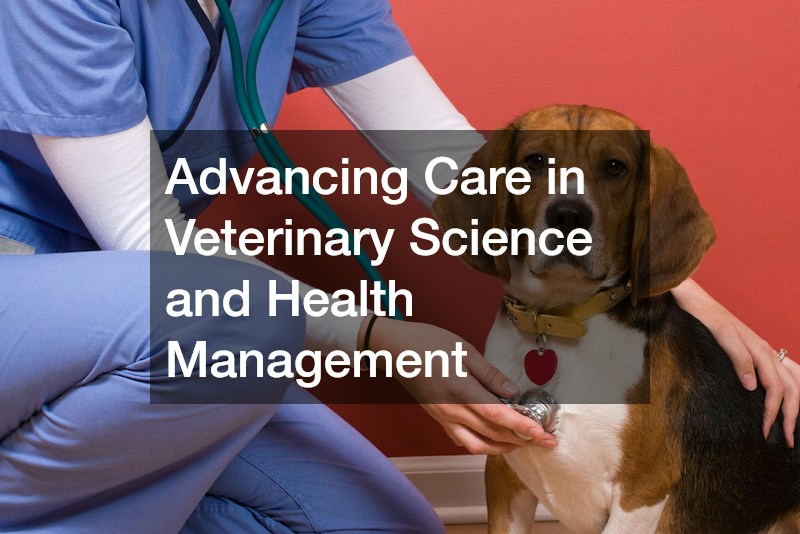
Advancing Care in Veterinary Science and Health Management
The principles of advanced education extend beyond human health and societal infrastructure to include the care, treatment, and protection of animal populations. Specialized veterinary programs require years of intensive study in biochemistry, anatomy, pharmacology, and clinical practice to prepare students for the complex reality of veterinary medicine.
When animal owners seek medical treatment or preventative care for their livestock or domestic pets, they depend on a trained veterinarian to deliver accurate medical interventions and surgical solutions. The high standards maintained by accredited veterinary schools ensure that professionals possess the technical skills and diagnostic expertise necessary to manage complex health responsibilities across diverse species.
Moreover, veterinary medicine intersects directly with human public health, epidemiology, and environmental sustainability. Trained animal health experts monitor zoonotic disease transmission, safeguard the food supply through agricultural oversight, and contribute to wildlife conservation efforts. Higher education in this sector produces professionals who protect public health networks and support economic stability in agricultural sectors, illustrating the far-reaching societal benefits of advanced animal science degrees.
Achieving Precision in Specialized Healthcare Fields
Advanced specialized training is equally vital in fields that address structural alignment, oral health, and facial biomechanics. Achieving optimal functional and aesthetic outcomes requires years of targeted academic study, clinical practice, and continuous professional development beyond a general medical or dental degree.
When patients require structural correction for their teeth, jaw alignment, or bite mechanics, they consult a skilled orthodontist to design a personalized, long-term treatment plan. The specialized expertise gained through higher education enables practitioners to execute precise, customized treatments that significantly enhance patient confidence and long-term oral functionality.
Furthermore, post-graduate programs train specialists to utilize state-of-the-art digital imaging, 3D printing, and CAD/CAM technologies to map out treatment phases with extreme precision. The integration of modern technology with deep anatomical knowledge allows practitioners to deliver shorter treatment times, enhanced patient comfort, and predictable long-term stability. This intersection of science, technology, and clinical skill highlights the transformative power of specialized higher education.
Safeguarding Rights and Navigating the Judicial System
Understanding the intricacies of the criminal justice system requires specialized legal training focused on constitutional protections, evidentiary rules, and defense strategies. Individuals facing severe legal challenges require expert representation to ensure their constitutional rights are protected and that they receive fair treatment under the law.
When a person faces serious charges, hiring a knowledgeable felony lawyer is critical to building a robust defense, analyzing evidence, and navigating courtroom proceedings effectively. Advanced legal education equips defense attorneys with the analytical skills and courtroom strategies necessary to protect individual liberties, uphold due process, and ensure equal justice within the legal system.
Criminal defense practice requires rapid analysis, strategic positioning, and an intimate familiarity with criminal procedure. Higher education programs prepare defense attorneys to examine police reports, contest illegally obtained evidence, and cross-examine expert witnesses effectively. This level of rigorous legal preparation ensures that constitutional safeguards are actively defended in courtroom environments where an individual’s liberty is at stake.
In addition to courtroom advocacy, criminal law specialists spend substantial time negotiating plea agreements, evaluating sentencing guidelines, and identifying rehabilitation alternatives. Their specialized understanding of statutory structures and judicial precedent allows them to secure outcomes that balance accountability with fair treatment. Through their specialized education, defense practitioners maintain accountability within law enforcement agencies and ensure the judicial system functions with fairness and integrity.

Facilitating Global Mobility and Legal Compliance
Global mobility, cross-border business, and international career paths often involve navigating highly complex immigration laws, visa requirements, and naturalization procedures. Professionals specializing in immigration law help individuals, families, and organizations achieve long-term stability and legal status in new countries.
When navigating the intricate process of becoming a naturalized citizen, working with a dedicated citizenship attorney ensures that all application requirements, background verifications, and legal steps are met correctly. Higher education provides the comprehensive knowledge base necessary to assist clients through complex international transitions, unlocking new professional and personal opportunities around the world.
Immigration law is exceptionally dynamic, subject to frequent administrative updates, policy shifts, and international treaties. Advanced legal training prepares practitioners to interpret administrative guidance, file complex petitions, and represent clients before immigration tribunals. This detailed preparation minimizes procedural delays and protects clients from severe legal setbacks such as deportation or entry bans.
Higher education serves as a powerful catalyst for personal, professional, and societal progress, enabling individuals to master complex disciplines and overcome multifaceted career challenges. By combining rigorous analytical training, technical expertise, and an unwavering commitment to professional ethics, advanced learning prepares individuals to deliver exceptional value in their chosen vocations. Investing in continuous higher education not only elevates individual career trajectories but also strengthens communities, ensuring that modern society is led by knowledgeable, skilled, and capable leaders ready to solve the complex challenges of tomorrow.