The toddler years are filled with rapid growth, discovery, and development. During this stage, children begin learning how to communicate, interact with others, solve problems, and understand the world around them. Many parents seek a quality daycare service to provide a safe and engaging environment where their children can learn and grow while they are away. Beyond supervision, daycare programs play an important role in supporting early childhood development by helping toddlers build essential learning abilities and social skills that benefit them throughout their lives.
Encouraging Early Cognitive Development
Toddlers are naturally curious and eager to explore new experiences. A structured daycare environment provides opportunities for children to engage in activities designed to stimulate their minds and encourage learning. Through age-appropriate games, storytelling, music, art projects, and hands-on exploration, toddlers are introduced to concepts that support cognitive development. These experiences help children strengthen memory, attention, and problem-solving skills while fostering a love of learning from an early age.
By participating in guided activities, children learn how to focus on tasks, recognize patterns, and make connections between ideas. These foundational skills support future academic success and help children develop confidence in their ability to learn and explore.
Supporting Language and Communication Skills
Language development is one of the most significant benefits toddlers gain from participating in daycare programs. During these formative years, children rapidly expand their vocabulary and improve their communication abilities. Caregivers and teachers regularly engage children in conversations, read books aloud, sing songs, and encourage verbal expression.
Daily interactions with both adults and peers expose toddlers to new words and language patterns, helping them become more confident communicators. Consistent exposure to language-rich environments can support stronger speech and comprehension skills as children prepare for preschool and kindergarten. The opportunity to listen, respond, and participate in conversations also helps children develop important listening skills and social awareness.
Learning How to Interact with Others
Social development is another important aspect of toddler growth that daycare services help nurture. For many young children, daycare may be one of the first environments where they regularly interact with peers outside their immediate family. These interactions provide valuable opportunities to learn social behaviors such as sharing, taking turns, cooperating, and showing empathy.
While toddlers may initially struggle with group interactions, guided experiences help them gradually develop positive social habits and build meaningful relationships with others. Learning how to communicate with peers and participate in group activities helps children become more comfortable in social settings and prepares them for future classroom experiences.
Developing Emotional Awareness and Self-Regulation
Learning how to manage emotions is a critical skill that develops during early childhood. In daycare settings, children encounter situations that require patience, compromise, and self-regulation. Whether waiting for a turn with a favorite toy or resolving a disagreement with another child, toddlers are given opportunities to practice emotional control in a supportive environment.
Caregivers help children identify and express their feelings appropriately while teaching strategies for handling frustration, disappointment, and excitement. These lessons contribute to emotional maturity and resilience as children grow. Developing emotional awareness at an early age can also improve relationships with peers and adults.
Creating Security Through Consistent Routines
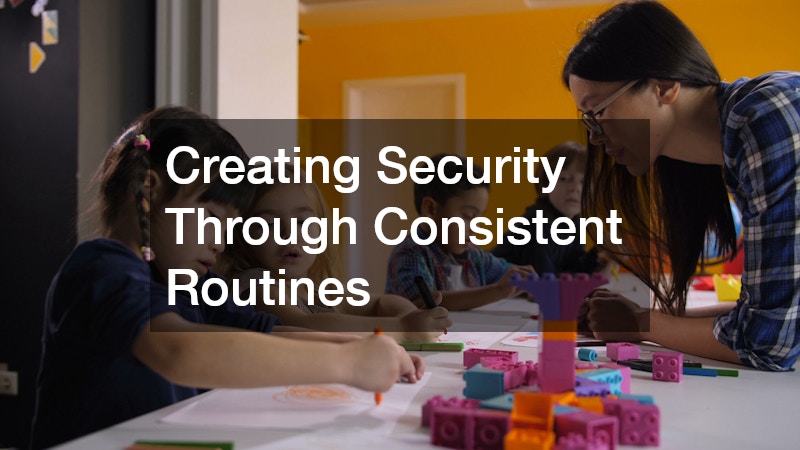
Daycare programs often incorporate routines that provide toddlers with a sense of structure and predictability. Consistent schedules for meals, playtime, learning activities, and rest help children understand expectations and develop a sense of security.
Predictable routines also support self-discipline and time management skills. As toddlers become familiar with daily schedules, they gain confidence in navigating different activities and transitions throughout the day. This sense of stability can reduce anxiety and help children feel more comfortable in new situations.
Promoting Creativity and Imagination
Creative play is an essential component of toddler learning that is frequently emphasized in daycare environments. Activities such as painting, building with blocks, pretend play, and music encourage children to use their imagination and explore their creativity.
The early years of childhood establish the foundation for future learning and social success. Daycare services provide toddlers with opportunities to develop communication abilities, emotional awareness, social skills, creativity, and independence in a structured and supportive setting. Through meaningful interactions, engaging activities, and guided learning experiences, children gain valuable skills that prepare them for future educational environments and everyday life. By supporting both learning and social development, daycare programs play a significant role in helping toddlers grow into confident, capable, and well-rounded individuals.