A well-designed learning environment supports students academically while also addressing comfort, safety, accessibility, and development. Physical spaces, technology, security, and support systems can all influence how students learn and interact. Since educational needs vary by age and program, schools should consider how each space is used and whether it supports students and teachers effectively. Thoughtful planning can create classrooms and facilities that are functional, adaptable, and supportive of learning.
1. Choose Educational Settings That Match Student Needs
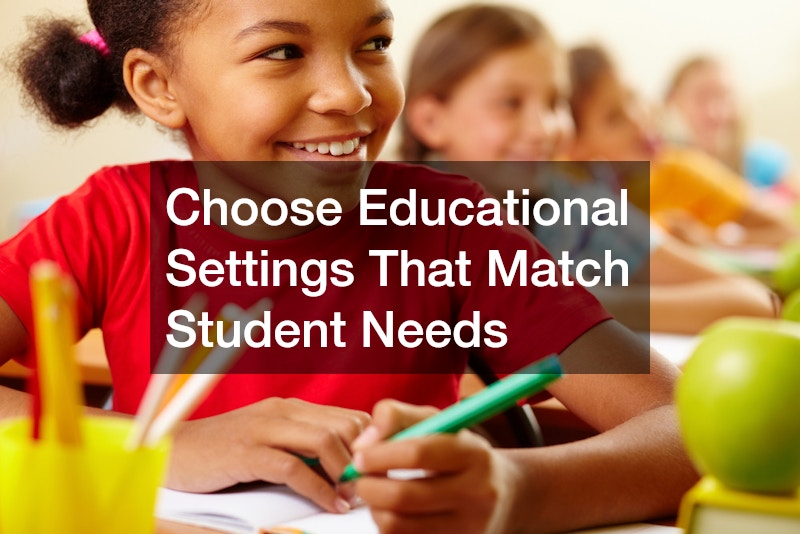
Families and educators should consider more than academic programs when evaluating an educational environment. Private schools can differ considerably in class sizes, teaching methods, student support, extracurricular opportunities, and classroom resources. Understanding these differences can help families determine whether a particular setting aligns with a student’s needs and learning style.
A school visit can provide useful information that may not appear in promotional materials. Parents can observe classroom interactions, ask teachers questions, and evaluate how students move through different areas of the facility.
Important factors to examine include:
- Classroom sizes and layouts.
- Available learning resources.
- Student support services.
- Opportunities for collaboration.
- Communication between teachers and families.
- Accessibility throughout the facility.
The physical environment should also be considered alongside the educational approach. A beautifully designed building does not necessarily provide an effective learning experience if students lack appropriate resources or support. Likewise, a modest facility can work well when its spaces are organized around student needs.
Families should also consider how the school accommodates different learning activities. Classrooms may need areas for independent work, group projects, technology use, and quiet concentration. Evaluating these details can help families make decisions based on the complete educational experience rather than appearances alone.
2. Create Welcoming Spaces for Early Learners
Young children need learning environments that encourage curiosity while providing clear structure. A local preschool can support this balance by organizing classrooms around age-appropriate activities, accessible materials, and predictable routines.
Furniture should be appropriately sized, and frequently used materials should be positioned where children can access them safely. Clearly defined activity areas can also help children understand where different activities occur.
Useful classroom areas may include:
- Reading and quiet spaces.
- Creative activity stations.
- Hands-on learning areas.
- Open spaces for movement.
- Accessible storage.
- Rest or calming areas.
Visual organization can be especially helpful for younger students. Consistent locations for toys, books, art materials, and personal belongings can help children develop independence and understand classroom expectations.
Teachers should also consider how easily they can supervise different areas. Furniture and storage should not create unnecessary blind spots or make it difficult to observe children during activities.
The environment should leave room for movement without becoming chaotic. Children benefit from opportunities to explore, but excessive visual or physical clutter can make activities harder to manage. Regularly reviewing the classroom layout can help educators determine whether spaces are still meeting students’ needs as activities and class sizes change.
3. Design Specialized Spaces Around Practical Learning
Educational programs that emphasize hands-on training need spaces designed around the skills students are expected to develop. Cosmetology programs, for example, require more than conventional desks and chairs because students need opportunities to practice techniques using appropriate equipment.
Workstations should provide enough room for students to work safely without creating unnecessary congestion. Instructors also need clear sightlines so they can observe students and provide guidance during practical exercises.
When planning specialized learning spaces, consider:
- Workstation placement.
- Equipment storage.
- Lighting.
- Electrical access.
- Cleaning areas.
- Instructor visibility.
- Student movement.
Storage deserves particular attention because specialized equipment can quickly make a classroom feel crowded. Frequently used items should be easy to access, while less frequently used materials can be stored elsewhere.
The layout should also reflect real-world working conditions when possible. Students can benefit from learning how to organize tools, maintain work areas, and follow appropriate procedures within a realistic environment.
Schools should periodically review equipment and classroom layouts with instructors and students. Their feedback can reveal practical problems that may not be obvious during the initial design. Adjustments to workstation spacing, storage, or traffic flow can make practical instruction more efficient without requiring a complete renovation.
4. Prepare for Unexpected Facility Problems
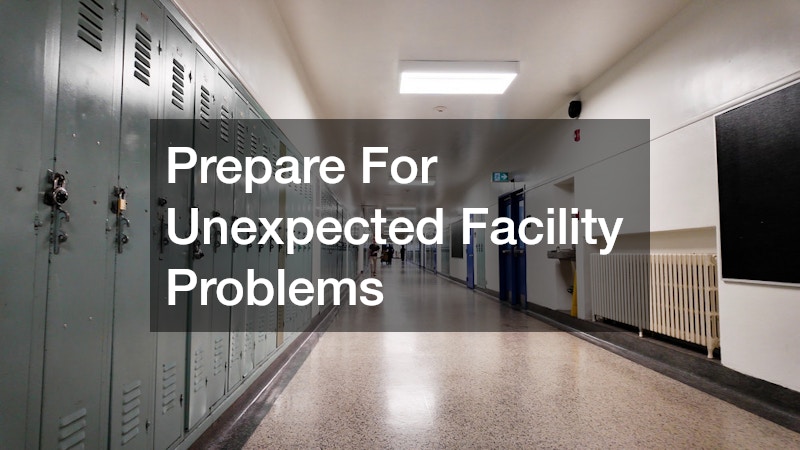
Facility problems can quickly interfere with instruction, damage equipment, and make classrooms temporarily unusable. Schools should have procedures for responding to problems before they occur rather than developing a plan during an emergency.
School water damage is one example of an issue that can affect multiple parts of a facility. Water can damage flooring, walls, furniture, educational materials, technology, and other equipment. A prompt response can help limit disruption and protect affected areas.
Schools should identify:
- Main water shutoff locations.
- Emergency contact information.
- Vulnerable areas of the building.
- Procedures for protecting equipment.
- Temporary classroom options.
- Communication procedures.
Staff should know who is responsible for reporting facility problems and who coordinates the response. Clear responsibilities can reduce confusion when an issue occurs during school hours.
Schools should also maintain records of recurring facility problems. A repeated leak, drainage issue, or moisture concern may indicate a larger maintenance problem that deserves attention.
If a classroom must temporarily close, administrators should have a practical alternative. Flexible spaces can provide valuable backup capacity during repairs or other disruptions. Planning for these situations helps schools protect instructional time while addressing the underlying facility problem.
5. Balance Care, Learning, and Daily Routines
Educational environments for young children must accommodate far more than formal instruction. Day care settings may need to support learning, meals, play, rest, personal belongings, and transitions throughout the day.
Separating different activities into clearly defined areas can make routines easier for both children and caregivers. Children can begin to associate particular spaces with specific activities, which may help transitions feel more predictable.
Useful areas may include:
- Learning stations.
- Quiet spaces.
- Meal areas.
- Creative play zones.
- Outdoor access.
- Storage for personal belongings.
Furniture should be stable, appropriately sized, and arranged to provide enough space for children and caregivers to move safely. Frequently used materials should be accessible while potentially hazardous items remain appropriately secured.
Caregivers should also evaluate how easily they can supervise children throughout the room. Storage units and furniture should not unnecessarily obstruct visibility.
Daily routines should influence the physical layout. For example, placing personal storage near entry areas may make arrivals and departures easier. Keeping activity materials near their designated workspaces can also reduce unnecessary movement.
As children develop, their needs change. Regularly reviewing the environment allows caregivers to adjust furniture, materials, and activity areas rather than maintaining a layout that no longer suits the children using it.
6. Establish Layered Safety Measures for Educational Facilities
Safety should be incorporated into the overall design and operation of an educational facility rather than treated as a separate concern. Security measures should protect students and staff while still allowing the environment to feel welcoming.
A 24 hour security guard may be appropriate for some educational facilities, but security works best as part of a broader strategy. Schools should consider how access, supervision, communication, and emergency procedures work together.
Potential measures include:
- Controlled entry points.
- Visitor procedures.
- Emergency communication systems.
- Adequate exterior lighting.
- Staff safety training.
- Clearly defined emergency procedures.
Schools should review how people enter and move through the facility during different times of day. Arrival, dismissal, extracurricular activities, and evening events may require different procedures.
Staff should understand their responsibilities during emergencies and know how to communicate concerns. Students can also benefit from age-appropriate safety instruction that explains procedures without creating unnecessary anxiety.
Security plans should be reviewed whenever building layouts, schedules, or operations change. A newly added entrance, renovated area, or expanded activity schedule can create circumstances that were not covered by an older plan.
The goal should be a balanced environment where reasonable safety measures work alongside a positive atmosphere that supports learning, interaction, and student well-being.
7. Improve Classroom Comfort and Acoustics
Students need classrooms where they can hear instruction, participate in discussions, and concentrate without excessive background noise. Acoustic considerations become especially important in rooms used for lectures, presentations, group activities, and collaborative learning.
An acoustic ceiling panel can be one component of a broader approach to managing sound. The appropriate solution depends on the room’s size, surfaces, existing noise sources, and intended use.
Schools should evaluate:
- Echoes and reverberation.
- HVAC noise.
- Outside sounds.
- Hard flooring and wall surfaces.
- Classroom size.
- Student seating arrangements.
Teachers can provide valuable feedback because they experience communication challenges throughout the school day. If students regularly struggle to hear instructions from certain areas of the classroom, the seating arrangement or room acoustics may need attention.
Schools should consider acoustics alongside lighting, temperature, ventilation, and overall classroom comfort. A room may have excellent sound control but still be distracting if other environmental factors are poorly managed.
Periodic evaluations can help identify changes as classrooms are renovated or repurposed. Creating comfortable spaces can support concentration and make communication easier for both teachers and students.
8. Connect Students and Families With Broader Support
A supportive educational environment extends beyond classroom instruction. Students and families may encounter circumstances that require assistance from qualified organizations outside the school.
Adoption centers, for example, may interact with families, educators, counselors, and other professionals when children are navigating changes in their family circumstances. Schools should understand their role and maintain appropriate boundaries when connecting families with outside resources.
Educational organizations can strengthen support networks by:
- Maintaining community resource directories.
- Providing appropriate referrals.
- Sharing relevant information with families.
- Establishing communication procedures.
- Coordinating with authorized professionals.
Privacy should remain an important consideration whenever multiple organizations are involved. Staff should understand what information they can share and when appropriate authorization is required.
A strong support network can help families navigate challenges that may affect a student’s educational experience. Providing clear information about available resources can make it easier for families to find appropriate assistance.
Schools should periodically review their community resource information because organizations, services, and contact details can change. Keeping information current makes referral resources more useful when families need them.
9. Provide Reliable Technology and Internet Access
Technology is now integrated into many educational activities, making reliable connectivity an important consideration when designing learning environments. Students may use online resources for research, assignments, communication, collaboration, and other academic activities.
Affordable internet can be particularly important for families that rely on online access outside the classroom. Schools should consider whether students have adequate access to devices and connectivity at home as well as during school hours.
Technology planning should address:
- Internet reliability.
- Network capacity.
- Device availability.
- Technical support.
- Student privacy.
- Digital literacy.
Schools should have alternatives available when students lack reliable internet or appropriate devices at home. Providing access through school facilities or other approved resources can reduce barriers to participation.
Technical support is another important consideration. When devices or networks fail, students and teachers need a clear process for getting assistance.
Technology should support effective instruction rather than become the focus of it. Schools can evaluate whether digital tools are actually improving learning activities and adjust their technology resources when they are not meeting educational needs.
10. Design Spaces for Student Events and Activities
Schools need flexible environments that can accommodate activities beyond regular classroom instruction. Dances, ceremonies, performances, celebrations, and extracurricular programs may require different layouts, supervision procedures, and transportation arrangements.
Prom bus rentals, for example, may become part of planning for major student events. Transportation should be considered alongside event schedules, supervision, pickup and drop-off procedures, and communication with families.
Event planning should address:
- Transportation arrangements.
- Student supervision.
- Accessibility.
- Arrival and departure procedures.
- Facility capacity.
- Emergency plans.
Schools should establish responsibilities well before an event occurs. Staff, administrators, transportation providers, and families should understand where students need to arrive, when they need to be picked up, and who is responsible for supervision.
Flexible spaces can make event planning easier. Furniture that can be moved or rooms that can serve multiple purposes give schools more options when activities require different configurations.
Well-organized events can extend the educational experience beyond the classroom while giving students opportunities to socialize, participate, and develop skills in different settings.
A strong learning environment combines effective instruction with thoughtful planning for safety, comfort, technology, accessibility, and student support. Regularly evaluating classrooms, facilities, and resources can help schools identify opportunities for improvement. Flexible, well-planned spaces can ultimately give students and educators a more productive and supportive place to learn.