Healthy learning environments are built intentionally through thoughtful planning, consistent care, and collaboration among families, educators, and support professionals. For growing children, the spaces where they learn shape not only academic performance, but also emotional security, physical well-being, and long-term confidence.
Learning environments extend beyond classrooms and lesson plans. They include the physical condition of schools, daily routines, emotional support from adults, and the systems in place to address health and developmental needs. When these elements are aligned, children are better able to focus, engage, and explore without unnecessary stress or distraction.
Children learn best when they feel safe, supported, and understood. Unmet physical or emotional needs can quietly interfere with attention, behavior, and motivation. Clean, organized spaces, predictable schedules, and responsive care help create stability, allowing children to devote their energy to learning rather than coping.
Consistency across environments is also essential. When expectations and routines are reinforced at both home and school, children experience greater emotional security. This alignment requires clear communication and cooperation among caregivers, educators, and service providers working behind the scenes.
As children grow, their needs evolve, and learning environments must adapt accordingly. By focusing on the full context surrounding a child’s education—rather than academics alone—families and educators can create spaces that support growth, resilience, and lifelong learning.
Laying the Foundation for Whole-Child Growth
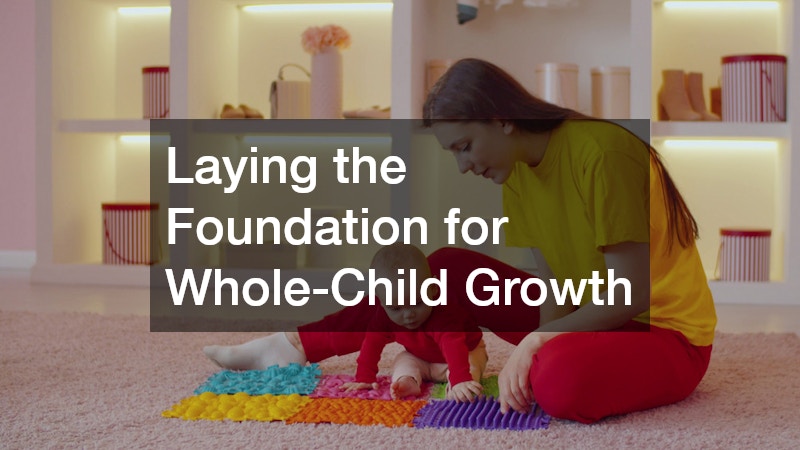
A strong learning environment supports the whole child, not just academic achievement. When caregivers and educators consider emotional, physical, and social factors together, they create conditions where children can truly thrive. This balanced perspective aligns closely with a holistic approach to child development, which recognizes that learning is influenced by many interconnected experiences.
Children do best when their environments address multiple needs at once. Emotional safety supports concentration, physical comfort reduces distractions, and positive relationships build trust. When one area is neglected, it often affects the others. For example, unmanaged stress can lead to behavioral challenges, while physical discomfort can limit engagement and focus.
Practical ways to support whole-child growth include:
- Establishing predictable routines that help children feel secure
- Encouraging open communication between children and caregivers
- Providing quiet spaces for rest or emotional regulation
- Modeling healthy coping strategies and problem-solving
- Observing behavior patterns to identify unmet needs
In learning settings, adults play a key role in setting the tone. Calm, consistent responses to challenges help children develop emotional regulation skills. When adults acknowledge effort rather than just outcomes, children are more willing to take risks and learn from mistakes.
At home, families can reinforce these principles by creating supportive daily rhythms. Regular sleep schedules, balanced nutrition, and designated learning spaces contribute to emotional stability. When children know what to expect, they are better able to focus on growth rather than uncertainty.
Collaboration is also essential. Teachers, caregivers, and specialists should communicate regularly to ensure consistency across environments. When everyone works from a shared understanding of the child’s needs, support becomes more effective and less fragmented.
By focusing on the whole child rather than isolated skills, learning environments become places where children feel valued, capable, and motivated to grow.
Designing Learning Spaces That Support Early Growth
Learning spaces for young children should be intentionally designed to encourage curiosity, independence, and emotional safety. The physical layout, materials, and routines used in early childhood education play a critical role in shaping how children interact with their environment and with one another.
Young learners benefit from spaces that feel welcoming and manageable. Overly cluttered or noisy environments can overwhelm developing sensory systems, while thoughtfully organized areas help children feel in control. Furniture scaled to child size, clearly defined activity zones, and accessible materials promote independence and confidence.
Effective design strategies include:
- Creating distinct areas for play, reading, rest, and group activities
- Using natural light and soft colors to reduce overstimulation
- Organizing materials in labeled, reachable containers
- Rotating toys and learning tools to maintain engagement
- Allowing flexible seating options for different learning styles
Beyond the physical setup, routines are just as important. Consistent schedules help children understand expectations and reduce anxiety. Transitions should be clearly communicated and supported with visual or verbal cues, allowing children time to adjust.
Educators can also support learning by observing how children use the space. If certain areas consistently cause conflict or disengagement, small adjustments can make a big difference. Rearranging furniture, reducing noise, or offering alternative activities may improve flow and cooperation.
Families can apply similar principles at home by creating simple, organized learning corners. These spaces do not need to be elaborate; consistency and accessibility matter more than aesthetics.
When learning environments are designed with intention, children are more likely to explore, collaborate, and develop foundational skills that support lifelong learning.
Maintaining Clean and Safe Learning Facilities
A clean learning environment is essential for both health and focus. When facilities are well maintained, children experience fewer illnesses, reduced absenteeism, and fewer distractions during learning time. Reliable school cleaning services play a behind-the-scenes role in supporting these outcomes.
Cleanliness affects more than physical health. Children are more comfortable and confident in spaces that feel cared for. Dust, clutter, and lingering odors can create subtle stress that interferes with concentration. Consistent cleaning routines help create a sense of order and safety.
Key areas that require regular attention include:
- High-touch surfaces such as desks, door handles, and shared supplies
- Restrooms and handwashing stations
- Cafeterias and food preparation areas
- Classrooms with shared technology or materials
- Play areas and common spaces
Beyond daily cleaning, periodic deep cleaning helps address allergens and buildup that standard routines may miss. Schools should establish clear cleaning schedules and communicate expectations to staff and families.
Educators also contribute by modeling cleanliness habits. Encouraging handwashing, organizing materials, and involving children in simple cleanup routines builds responsibility and respect for shared spaces.
Families can support these efforts by reinforcing hygiene habits at home and communicating health concerns promptly. When schools and families work together, cleanliness becomes a shared responsibility rather than a reactive measure.
A well-maintained facility supports learning by reducing disruptions, protecting health, and reinforcing the message that children’s well-being matters.
Creating Supportive Environments for Focus and Regulation
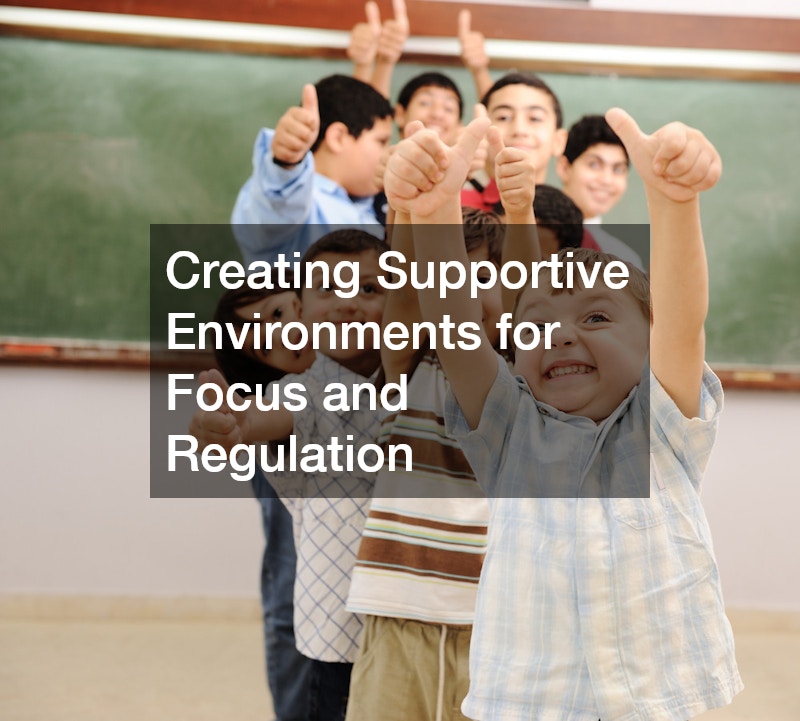
Children who struggle with attention and impulse control often benefit from environmental adjustments that reduce stress and distractions. Thoughtful support can complement professional ADHD treatment by making learning spaces more accommodating and responsive.
Simple changes can significantly improve focus. Reducing visual clutter, minimizing background noise, and offering structured routines help children feel more grounded. Clear expectations and consistent responses reduce uncertainty, which can exacerbate attention challenges.
Helpful strategies include:
- Seating children away from high-traffic areas
- Using visual schedules to outline daily activities
- Breaking tasks into manageable steps
- Allowing movement breaks between activities
- Providing quiet spaces for self-regulation
Communication among caregivers, educators, and healthcare providers is crucial. When adults share observations and strategies, children receive consistent support across environments. This alignment reduces frustration and helps children develop coping skills.
At home, families can mirror classroom strategies to reinforce habits. Consistent routines, designated homework areas, and clear instructions support focus and independence.
It is also important to emphasize strengths. Children with attention challenges often bring creativity, energy, and unique perspectives to learning. Recognizing and nurturing these qualities builds confidence and motivation.
When environments are designed with flexibility and understanding, children are better equipped to manage challenges and engage meaningfully in learning.
Supporting Daily Independence and Comfort
Daily routines influence how children feel and function throughout the day. Supportive environments help children build independence while ensuring their physical needs are met. In some cases, personal care services play an important role in maintaining comfort and dignity.
Children who require assistance with hygiene, mobility, or medical needs benefit from discreet, respectful support. When care is integrated smoothly into the learning environment, children can focus on participation rather than discomfort.
Effective approaches include:
- Establishing private, calm spaces for care-related tasks
- Training staff to provide assistance respectfully
- Communicating clearly with families about routines
- Encouraging children to participate in self-care when possible
- Adapting schedules to accommodate individual needs
Independence should be encouraged at an appropriate pace. Allowing children to practice self-care skills builds confidence and reduces reliance over time. Praise effort and progress rather than perfection.
Families and educators should collaborate to ensure consistency. When routines align across settings, children experience less confusion and greater emotional security.
By prioritizing comfort and autonomy, learning environments become more inclusive and empowering for all children.
Planning for Unexpected Health Needs
Even in well-managed environments, unexpected health concerns can arise. Preparedness is key to minimizing disruption and ensuring children receive timely care. Access to a pediatric urgent care clinic allows schools and families to respond quickly when immediate attention is needed.
Clear protocols help reduce panic and confusion during health incidents. Staff should know when to provide basic first aid, when to contact families, and when to seek outside medical care.
Important planning steps include:
- Maintaining updated emergency contact information
- Training staff in basic health response procedures
- Clearly documenting health policies
- Communicating protocols to families
- Reviewing plans regularly
Preparedness also reassures children. When adults respond calmly and confidently, children feel safer and more secure.
Families can support preparedness by sharing relevant health information and keeping communication lines open. Transparency allows educators to respond appropriately and efficiently.
A well-prepared environment ensures that health concerns are addressed promptly without compromising the overall learning experience.
Encouraging Confidence Through Preventive Health Habits

Physical comfort plays a significant role in learning. When children experience pain or discomfort, focus and participation suffer. Preventive care, including pediatric dentistry, helps reduce avoidable disruptions and supports overall well-being.
Oral health issues can affect speech, concentration, and self-esteem. Regular checkups and good hygiene habits prevent problems that might otherwise interfere with learning.
Supportive strategies include:
- Educating children about daily hygiene routines
- Coordinating appointments to minimize missed school time
- Encouraging water consumption and healthy snacks
- Communicating with families about observed concerns
- Creating a culture that normalizes preventive care
Schools can reinforce positive habits through age-appropriate education and supportive messaging. When children understand why care matters, they are more likely to participate willingly.
Families play a central role by maintaining routines at home and addressing concerns early. Consistency between home and school strengthens healthy habits.
Preventive care supports confidence, comfort, and consistent participation in learning.
Supporting Caregiver Well-Being
Children benefit when the adults around them are healthy and balanced. Caregiver stress can subtly influence learning environments, affecting patience, communication, and consistency. Wellness practices, including medical spa services, can support long-term caregiver resilience.
When educators and parents prioritize self-care, they are better equipped to meet children’s needs. Stress management supports emotional regulation, decision-making, and overall energy levels.
Helpful wellness practices include:
- Scheduling regular rest and recovery time
- Seeking support when overwhelmed
- Establishing boundaries between work and home
- Engaging in activities that promote relaxation
- Encouraging wellness within professional communities
Organizations can support caregiver well-being by promoting realistic workloads, providing resources, and fostering supportive cultures.
When caregivers feel supported, children experience more stable, positive learning environments.
Coordinating Long-Term Health and Learning Support
Consistent, preventive healthcare supports uninterrupted learning. Trusted family doctors often serve as a central point of coordination, helping families manage wellness over time.
Regular checkups identify concerns early, reducing the likelihood of sudden disruptions. Open communication between families and educators ensures that relevant information supports the child without compromising privacy.
Effective coordination includes:
- Scheduling preventive visits consistently
- Sharing necessary health information appropriately
- Monitoring changes in behavior or performance
- Seeking guidance when concerns arise
- Building long-term relationships with providers
When health and education align, children experience fewer interruptions and greater stability. Preventive care, clear communication, and consistent routines help minimize disruptions that can interfere with learning. This coordination allows children to stay engaged, confident, and focused on their growth rather than managing avoidable challenges.
Extending Learning Support Beyond the Classroom
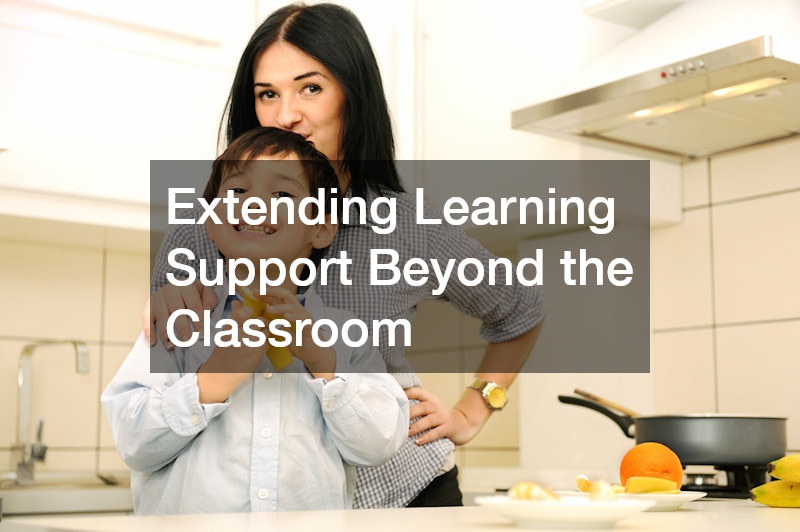
Learning does not stop when the school day ends. What happens at home has a significant impact on how well children absorb information, manage routines, and recover from challenges. When families have reliable support in place, children experience greater continuity between school and home, which strengthens both learning and emotional stability.
For some families, home care provides essential assistance during periods when a child needs extra support. This may include recovery after illness, help with daily routines, or temporary supervision when parents are balancing work and caregiving responsibilities. When these services are coordinated thoughtfully, children can maintain routines that mirror their school environment rather than experiencing disruptive gaps.
Consistency is the key benefit. Children who return home to predictable schedules, familiar expectations, and calm support are more likely to stay regulated and focused. This continuity is especially important during transitions, such as returning to school after medical absences or adjusting to new developmental stages.
Ways in-home support can reinforce learning environments include:
- Maintaining consistent wake-up, meal, and bedtime routines
- Supporting homework or skill practice in a low-stress setting
- Reinforcing behavior expectations used at school
- Assisting with mobility, hygiene, or recovery needs
- Providing supervision that allows parents to stay engaged and present
Communication between families and educators strengthens these efforts. When caregivers understand classroom routines and learning goals, they can better reinforce them at home. Likewise, feedback from home can help teachers anticipate challenges and provide appropriate support during the school day.
It is also important that in-home support respects the child’s independence. Assistance should encourage participation and confidence rather than dependence. Simple choices, gradual responsibility, and positive reinforcement help children feel capable and valued.
When learning support extends seamlessly beyond the classroom, children experience fewer disruptions and greater emotional security. A stable home environment that aligns with school expectations allows children to focus on growth, curiosity, and learning—no matter where they are.
Healthy learning environments are built through thoughtful coordination, consistent care, and shared responsibility. When physical spaces, daily routines, and support systems work together, children are better able to focus, feel secure, and engage in learning.
Collaboration among families, educators, and care providers creates the consistency children need to thrive. Clean, safe environments, proactive planning, and responsive support help reduce disruptions and promote long-term well-being.
As children grow, their needs change, and learning environments must adapt with them. By prioritizing flexibility, communication, and caregiver well-being, adults can create supportive spaces that empower children to learn confidently and continue growing well into the future.