When parents begin comparing preschool options, larger facilities with extensive amenities can initially seem like the obvious choice, offering impressive campuses and long lists of programs. Yet many families ultimately discover that a smaller preschool delivers advantages in the areas that genuinely shape a child’s early experience, from individualized attention to a real sense of community. Understanding these differences helps parents look beyond surface-level impressions when making this important decision. Most private education settings operate at a more intimate scale than many families realize. According to Dallas Morning News, most private schools are small, as 87% have fewer than 300 students, reflecting just how common this more personal approach genuinely is throughout private education.
Providing More Favorable Student-to-Teacher Ratios
A smaller preschool can often maintain more favorable student-to-teacher ratios, allowing each child to receive genuinely individualized attention throughout their day rather than competing for limited teacher availability. This attentiveness means teachers can respond more quickly to a child’s questions, frustrations, or emerging interests, supporting both learning and emotional development in real time. Parents frequently notice this difference during their first visit, observing how naturally teachers engage with individual children rather than managing large groups from a distance.
Building Genuine Relationships With Every Family
Smaller preschool settings allow administrators and teachers to genuinely know each family, not just each student, creating meaningful partnerships that support consistency between home and school. This familiarity means concerns get addressed promptly, progress conversations feel personal rather than generic, and parents feel genuinely comfortable reaching out with questions. This kind of relationship is considerably harder to replicate within larger programs managing significantly more families.
Adapting More Quickly to Individual Student Needs
A smaller preschool can adjust its approach more flexibly when a particular child needs additional support, a different learning strategy, or more challenge in a specific area. Without extensive administrative layers slowing decisions, teachers and directors can implement changes quickly rather than working through lengthy processes. This responsiveness genuinely benefits children whose needs don’t fit neatly into standardized approaches.
Creating a Stronger Sense of Community
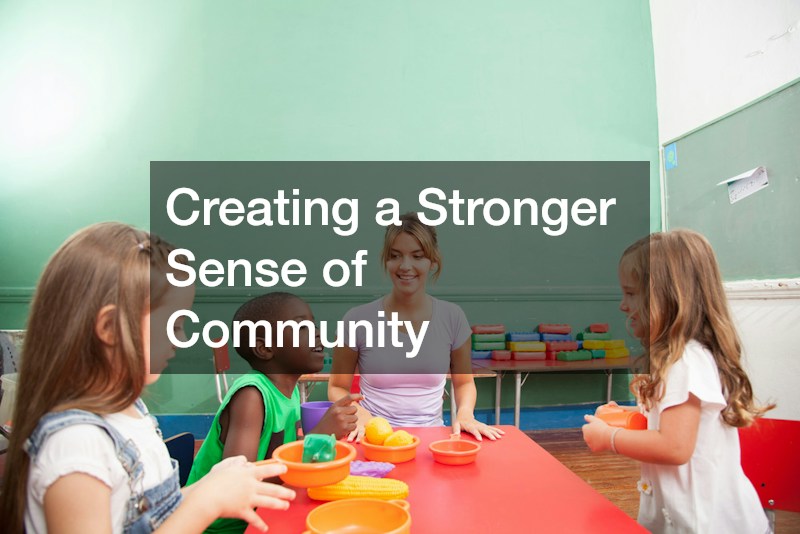
Children in smaller preschool environments often develop closer connections with classmates across different age groups, building a genuine sense of belonging that extends beyond a single classroom. Families likewise get to know one another, creating a supportive community that continues well beyond the school day. Personal connections and individualized attention genuinely matter during the early years, and knowing each child personally allows educators to support their growth in ways that larger programs simply cannot match.